Brush Handle Assembly Methods Compared: Which One’s Right for Your Bristle Brush?
Nov 27, 2025
When it comes to assembling bristle brushes, how the brush head and handle are joined can make a big difference in durability, appearance, and production efficiency. Today, we’re breaking down two common methods used in the brush-making industry:
✅ “Socket & Nail” – The Secure & Clean Method
✅ “Glue Pouring” – The Fast & Flexible Method
Let’s dive into the details so you can choose the best process for your needs.
1. Socket & Nail – Strong, Neat & Efficient
How It Works:
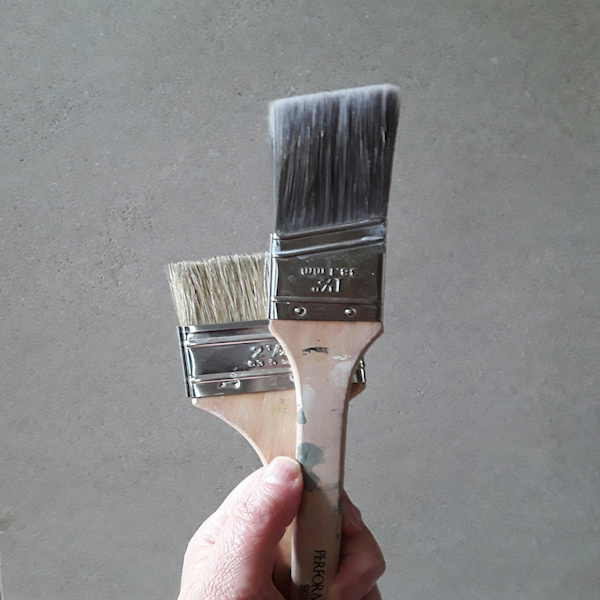
● The bristle tuft is first inserted into a metal ferrule .
● A small amount of glue is applied to hold the bristles in place while drying.
● Once the glue sets, the ferrule is fitted tightly onto a wooden/metal handle .
● Finally, a nail or rivet is driven through the ferrule and handle to create a rock-solid bond.
Why It’s Great:
✔ Less glue = lower cost & no mess – Since only a small amount is used, there’s no glue overflow, keeping the brush looking clean.
✔ Super strong & durable – The tight ferrule + nail reinforcement ensures the brush head won’t wobble or detach easily.
✔ Premium finish – No unsightly glue stains, making it ideal for high-end brushes.
2. Glue Pouring – Quick & Forgiving
How It Works:
● The bristle tuft is placed in a metal ferrule, then filled with a generous amount of glue.
● The handle is immediately inserted into the wet glue.
● The assembly is left to cure naturally without needing tight tolerances.
Why It’s Used:
✔ Faster production – No waiting for glue to dry before moving to the next step.More flexible with handle sizes – Since the fit isn’t tight, minor variations in handle dimensions are tolerated.Good for mass production – Works well when speed is prioritized over premium finish.
⚠ Downside: The glue seam may be visible, and the bond might not be as long-lasting as the nail method.
Which Method Should You Choose?
Factor
Socket & Nail
Glue Pouring
Durability
✅ Extremely strong (nail + tight fit)
⚠ Good, but less secure
Appearance
✅ Clean, no glue marks
⚠ May show glue residue
Production Speed
⚠ Requires drying time
✅ Faster (no wait)
Handle Tolerance
❌ Needs precise fit
✅ Flexible with sizes
Cost
✅ Lower glue usage
⚠ More glue needed
🔧 Best for premium brushes? → Socket & Nail
🔨 Best for fast, high-volume production? → Glue Pouring
Final Thoughts
Both methods have their place in brush manufacturing. If you want a long-lasting, professional-grade brush, the socket & nail method is the way to go. But if you need speed and flexibility, glue pouring can be a great alternative.
🛠 Need help choosing the right brush assembly for your product? Drop us a message—we’re happy to help you optimize your brush-making process!
Read More





 IPv6 network supported
