
Leave A Message
If you are interested in our products and want to know more details,please leave a message here,we will reply you as soon as we can.


Most people think a paint brush is a simple tool: just bristles pushed into a metal ferrule and fixed to a handle. But anyone who has used both budget and premium brushes knows the final paint finish can differ drastically. The gap comes down to tiny, often unseen manufacturing details. Every component and measurement impacts performance, and cutting corners on any detail will show up on the painted surface. Below are the key factors that determine how well a brush really works.
First, the rigidity and shape accuracy of the ferrule are foundational. The ferrule is the metal sleeve that secures the bristle pack. If the metal lacks stiffness, it will bend or deform during assembly or daily use, losing its uniform shape. An irregular ferrule cannot hold bristles evenly around its inner space. When bristle density varies from one side to the other, the brush tip becomes uneven, leaving streaks and inconsistent coverage. A rigid, precisely formed ferrule guarantees consistent bristle packing across every single brush, which is essential for reliable, repeatable painting results.
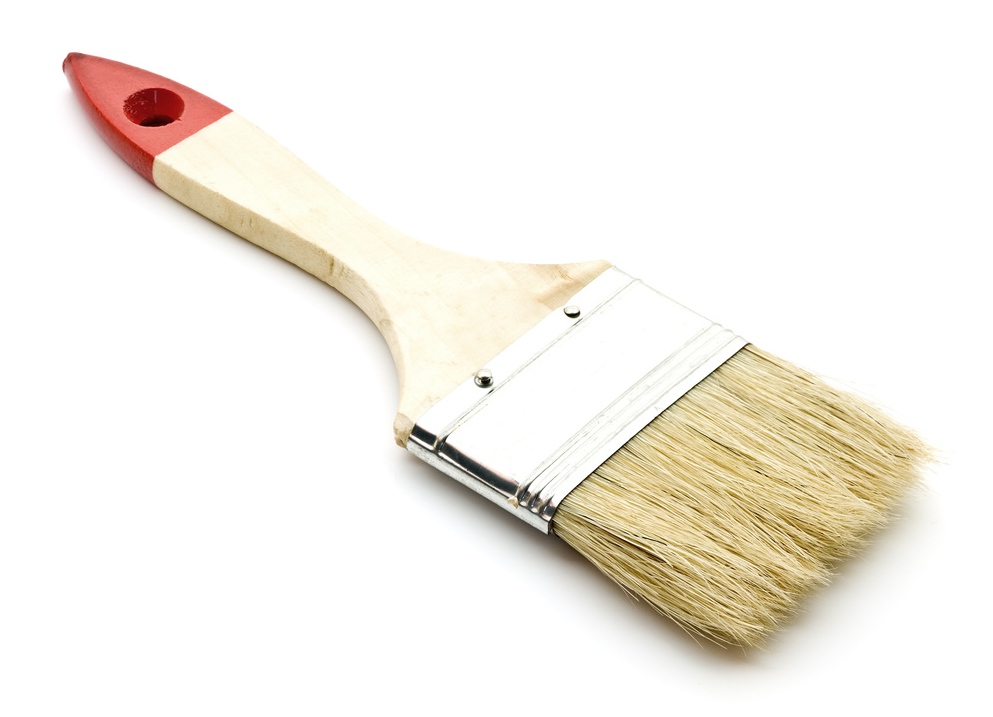
Second, bristle material and length define both feel and function. It is easy to assume shorter bristles just make a smaller brush, but the reality is more complex. To create a proper tapered “peak” at the brush tip, very short bristles leave too little length anchored inside the ferrule. Without enough embedded support, the bristles splay easily under pressure and cannot hold a steady shape. Bristle material also matters: stiff synthetic filaments pack differently than soft natural fibers, and a poor match between material and ferrule design ruins the entire bristle set. Good brush design balances length, material, and ferrule depth to build a firm, responsive brush head.
Third, wedge thickness and ferrule wall thickness have a surprisingly large impact on quality. From our production experience, the combined thickness should stay below 0.6 mm. This is really a question of bristle volume. Some manufacturers use thicker wedges to reduce the amount of bristles inside the ferrule, lowering material costs. But this shortcut causes two serious issues. It creates a “fish mouth” defect, where the brush tip spreads open in the middle instead of forming a clean, sharp edge. It also makes machine-driven bristle insertion much more difficult, resulting in more wasted bristle material during manufacturing. Trying to save on bristle costs ultimately delivers worse performance and creates more production waste.


 IPv6 network supported
leave a message
Scan to wechat :

Scan to Whatsapp :
